

Sell Europe Differently: When the Journey Becomes the Holiday

When the Journey Becomes the Holiday
This is not a passing trend. The signals are concrete. Demand for slower travel is rising. Interest in rail and overnight journeys is growing year on year. Travellers increasingly favour a few real experiences over a checklist of destinations photographed and left behind. And underneath all of it, Europe’s most familiar cities are crowded in the same few months, while transport costs climb and squeeze the margins on conventional touring. The numbers bear it out: EU rail passenger travel rose 5.8% in 2024, to 443 billion passenger-kilometres, and the European Commission has set out a strategy to double high-speed rail traffic by 2030.
For a travel professional, that combination is not a problem to absorb. It is an opening. The client who wants the journey to mean something is, in practice, a client willing to spend more time and more money on the trip, provided you can offer them something their usual operator does not. That is the gap Travel Differently is designed to fill.
Selling the Experience, Not Just the Destination
The principle behind the collection is simple: we treat transport as part of the holiday, not the cost of reaching it. In practice that means combining high-speed and regional rail, scenic and overnight trains and daytime or overnight ferries into itineraries where each leg adds to the experience rather than interrupting it.
That has a commercial edge as well as an emotional one. An overnight train or ferry converts travelling time into accommodation time: a night spent moving between two countries is a night not spent paying for a hotel, and a memory your client could not have bought any other way. A high-speed line can place two cities, or two countries, in a single itinerary without anyone setting foot in an airport. And because these journeys follow the rail and ferry networks that already connect Europe, they reach naturally into the markets your clients travel from.

Why It Earns a Place in Your Programme
The strongest case for Travel Differently is not that the journeys are beautiful, though they are. It is that they solve real problems travel professionals are already wrestling with.
They differentiate mature destinations. Spain, Germany and the Low Countries are sold by everyone; reframing them around the journey gives you a genuinely distinct product in markets your competitors treat as interchangeable. They support higher trip value, because a slower itinerary justifies a longer stay and a richer day-by-day programme rather than a race to the next stop. They give you a credible answer when a client asks for a lower-impact option. Rail is one of Europe’s most climate-efficient ways to travel: it carries more than 8% of the EU’s passengers while producing just 0.3% of transport emissions, so these are real lower-impact journeys, not a token gesture bolted onto a conventional tour. And they open up secondary destinations, the towns and regions along the rail and ferry lines that draw clients away from the overcrowded core and give you fresh combinations to contract.
None of this is effortless. Multimodal itineraries take more thought to build than a flight and a transfer, and the operational detail – connection times, seat reservations, ferry schedules – has to be right. That is precisely the work a destination company is built to absorb, and it is where the value of a local partner is reflected.
Four Journeys, and What Each One Offers
The collection is broad, but four journeys illustrate the range, and each one is a starting point to tailor, extend and contract around your clients, not a fixed package.
Romantic River Routes in Germany
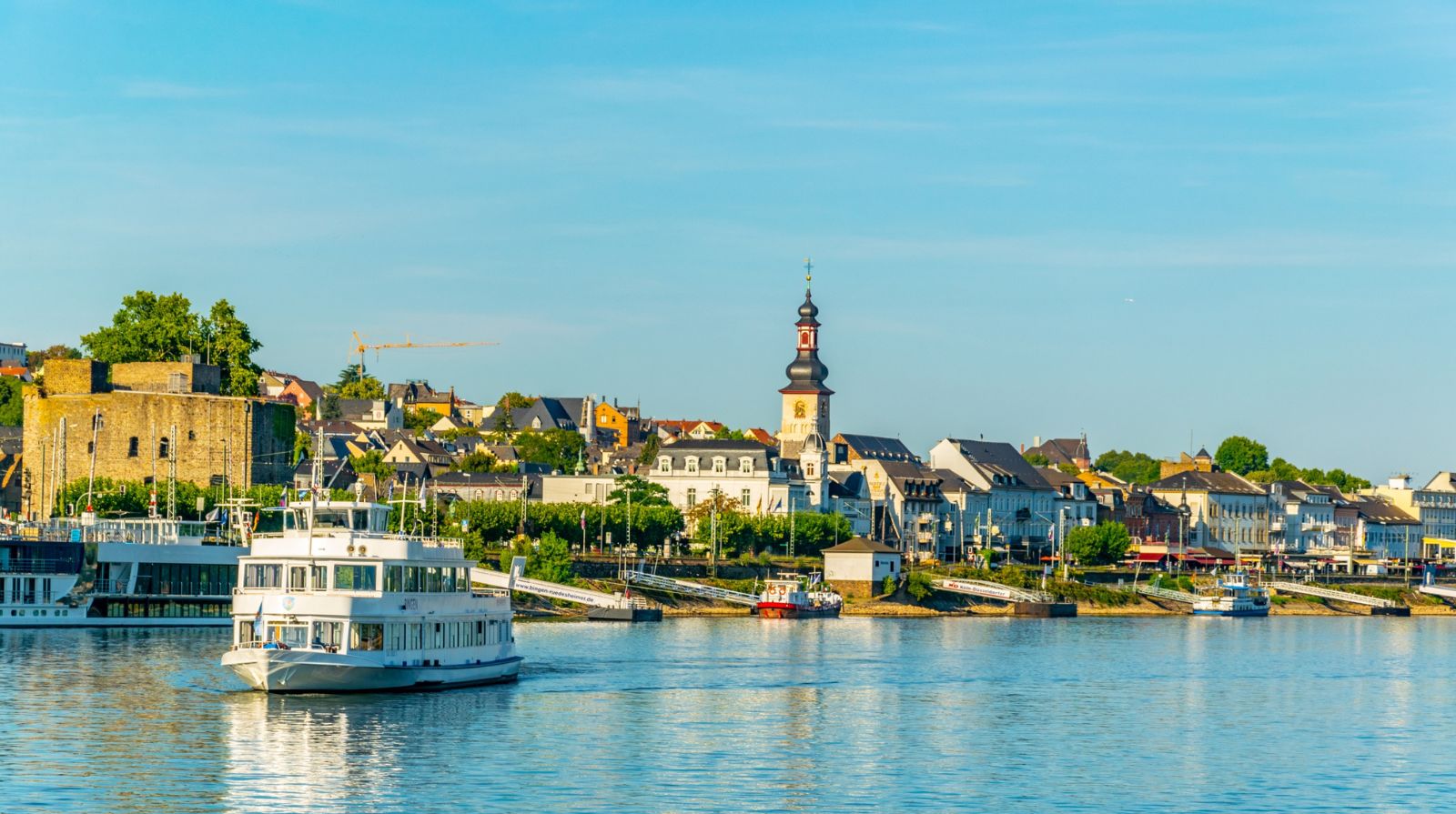
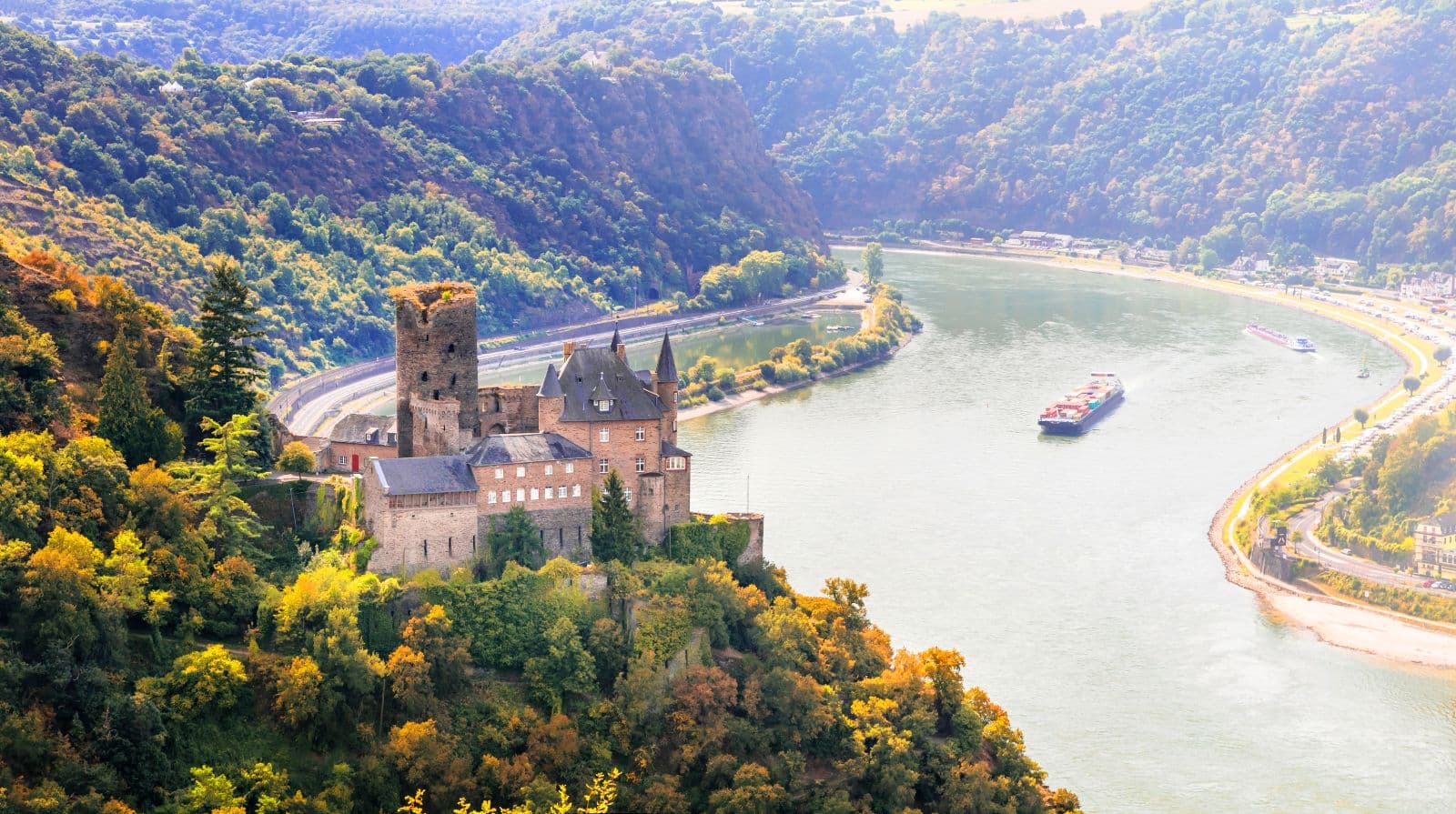
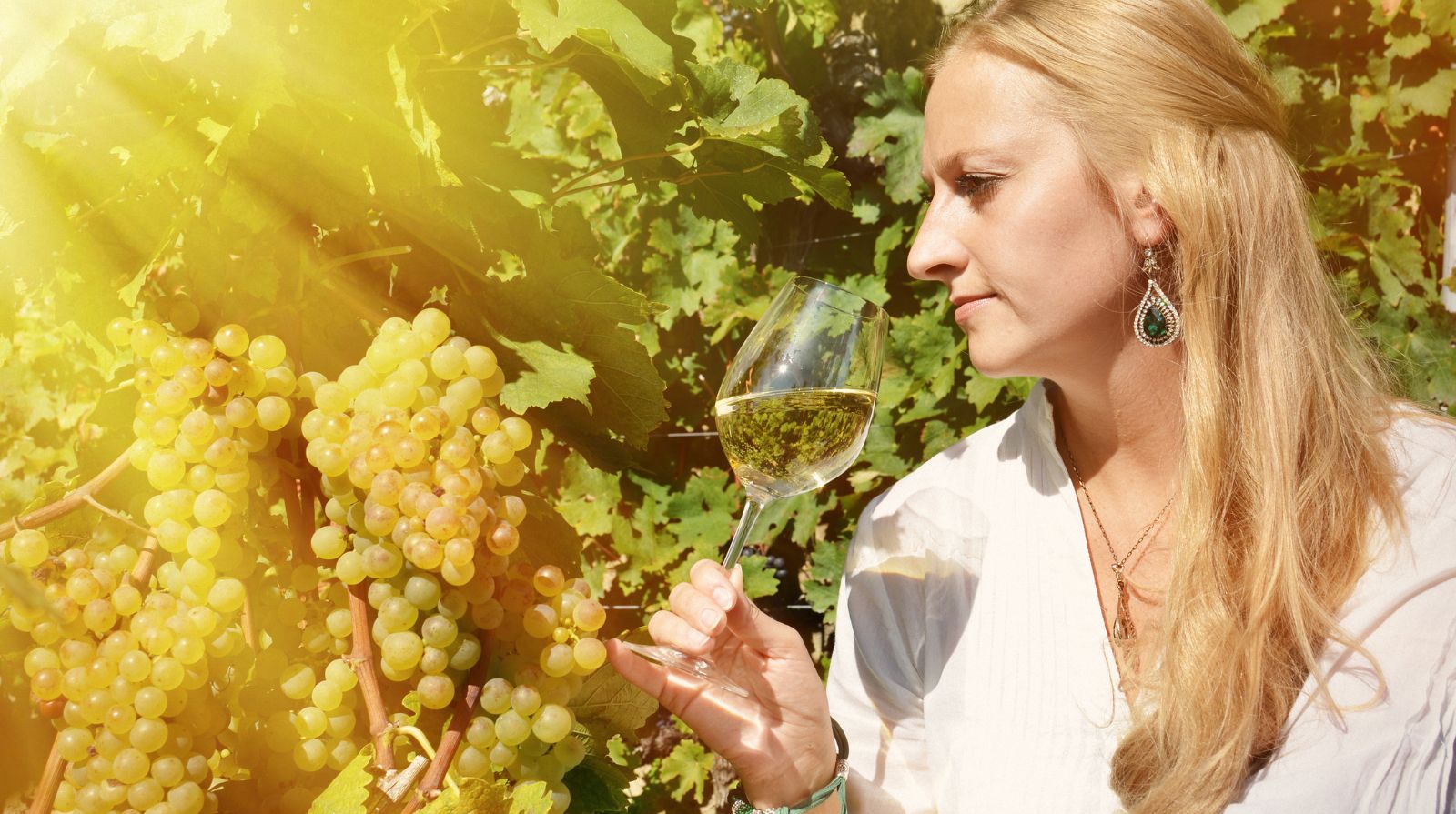
Off the water, the itinerary makes time for what these valleys do best: winery visits and wine tastings among the vines, and castle exploration in St. Goar and Cochem, each stop a reason to linger rather than a box to tick.
Clients arrive by high-speed rail into Cologne (1 hour 50 from Brussels, 3 hours 20 from Paris) or Frankfurt, from where we arrange the transfer to the start at Rüdesheim.
Art & Royal Journey
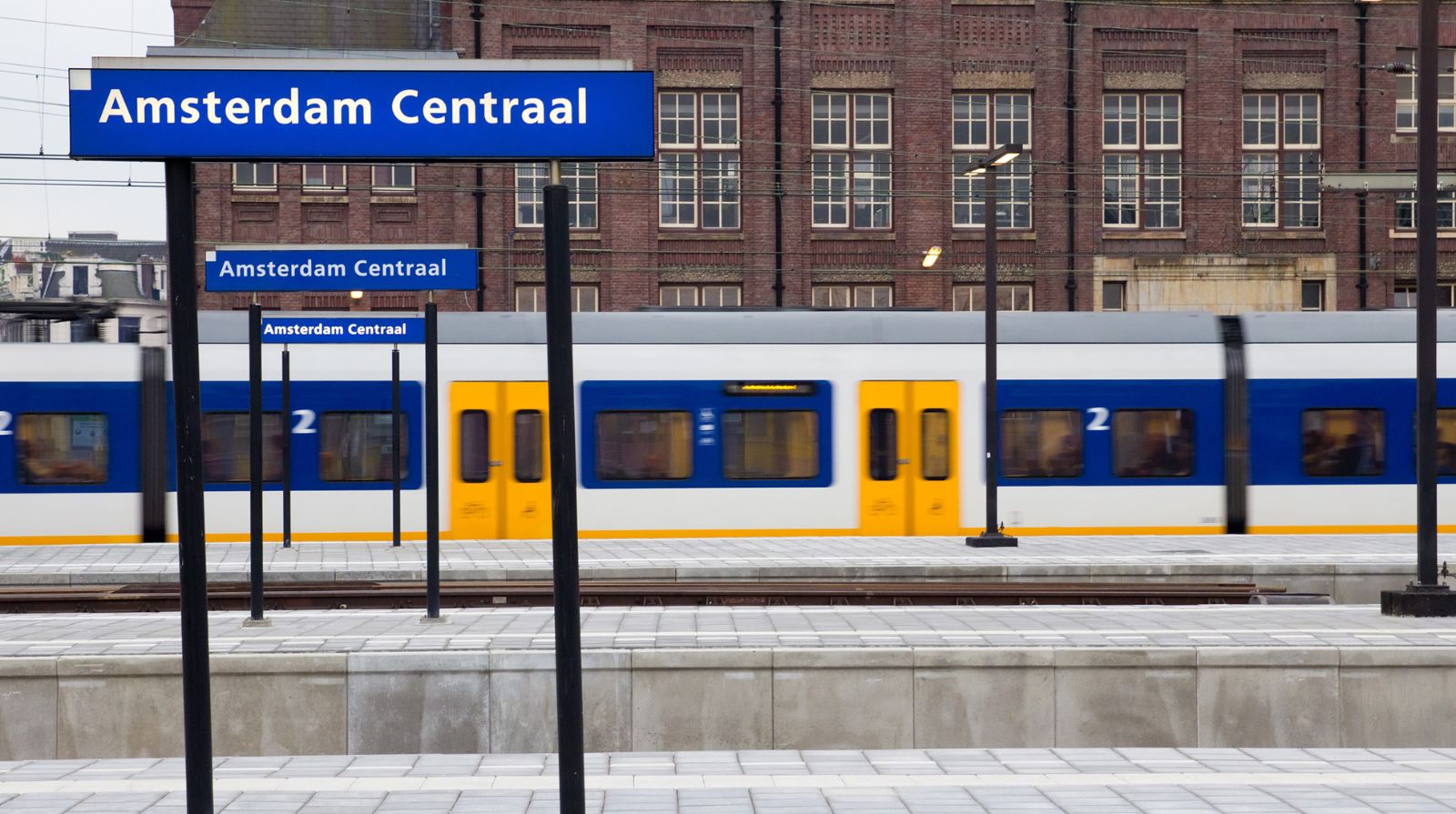
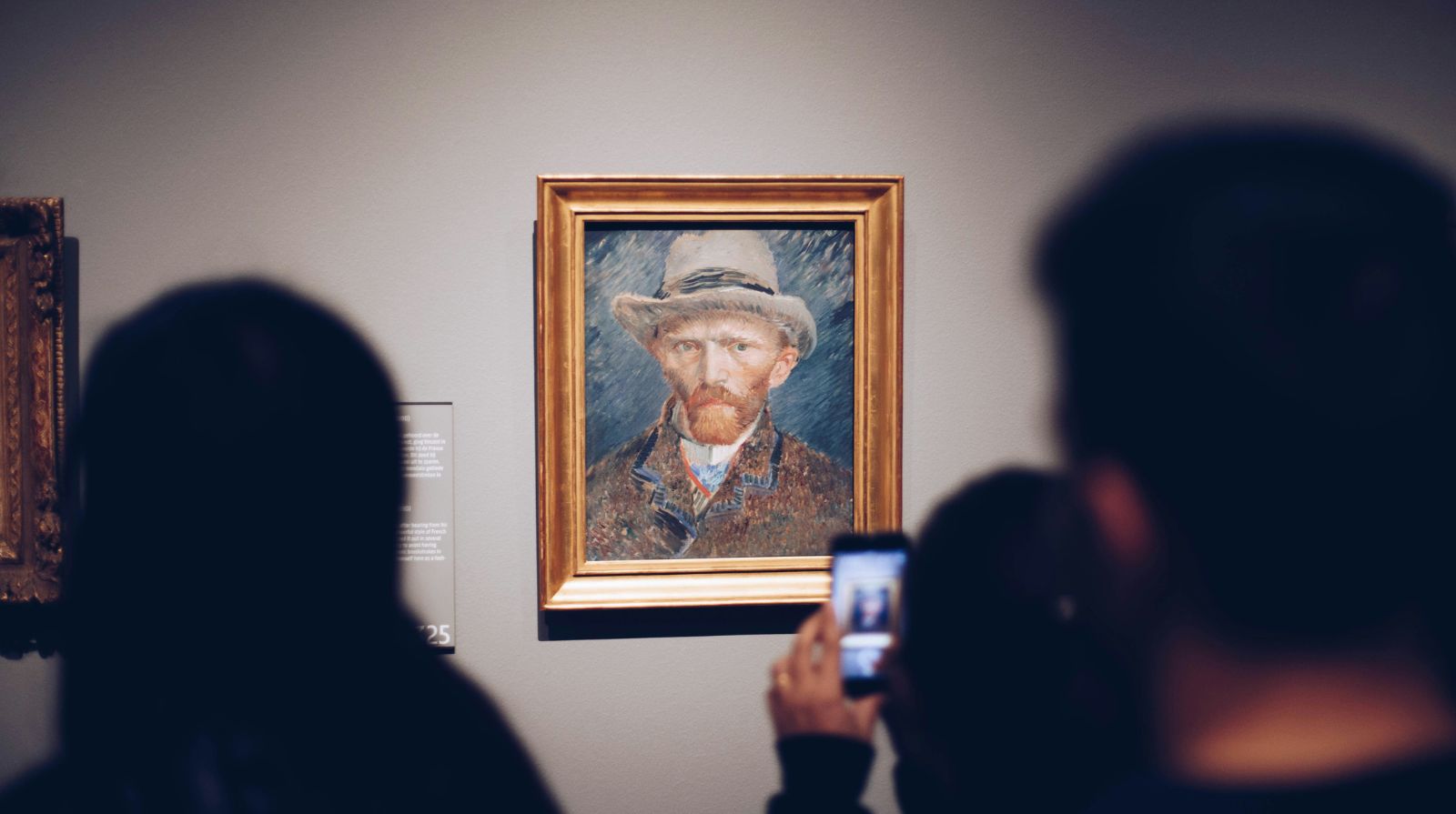
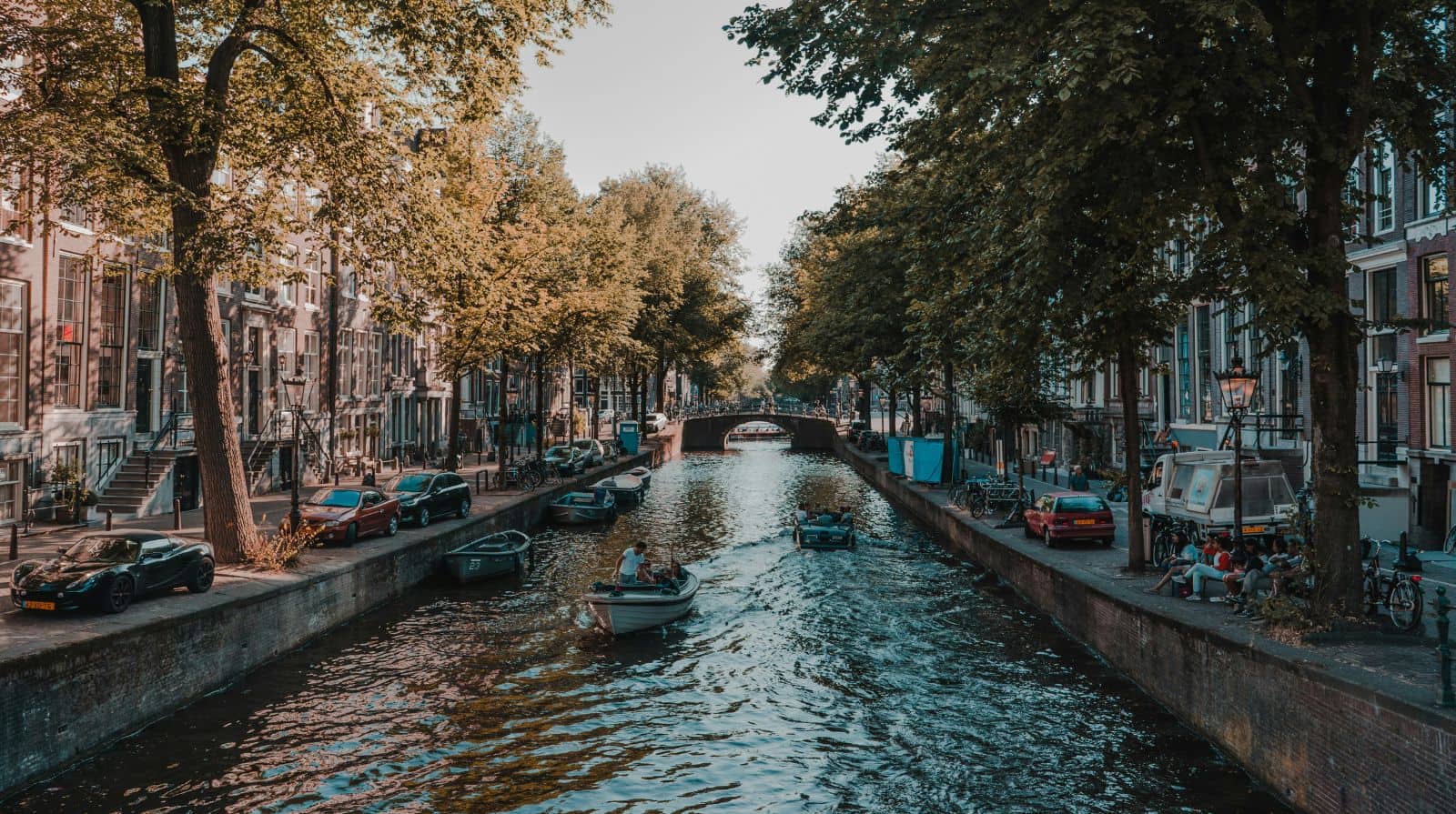
They move from Amsterdam’s Rijksmuseum and Van Gogh Museum to Girl with a Pearl Earring in The Hague, Rubens in Antwerp and the Van Eyck brothers’ Adoration of the Mystic Lamb in Ghent, then into London for the National Gallery, Windsor and Blenheim Palace.
Nine days, every leg on the ground and not a flight in sight, a premium itinerary that encourages longer stays and delivers greater value.
Amber Coast
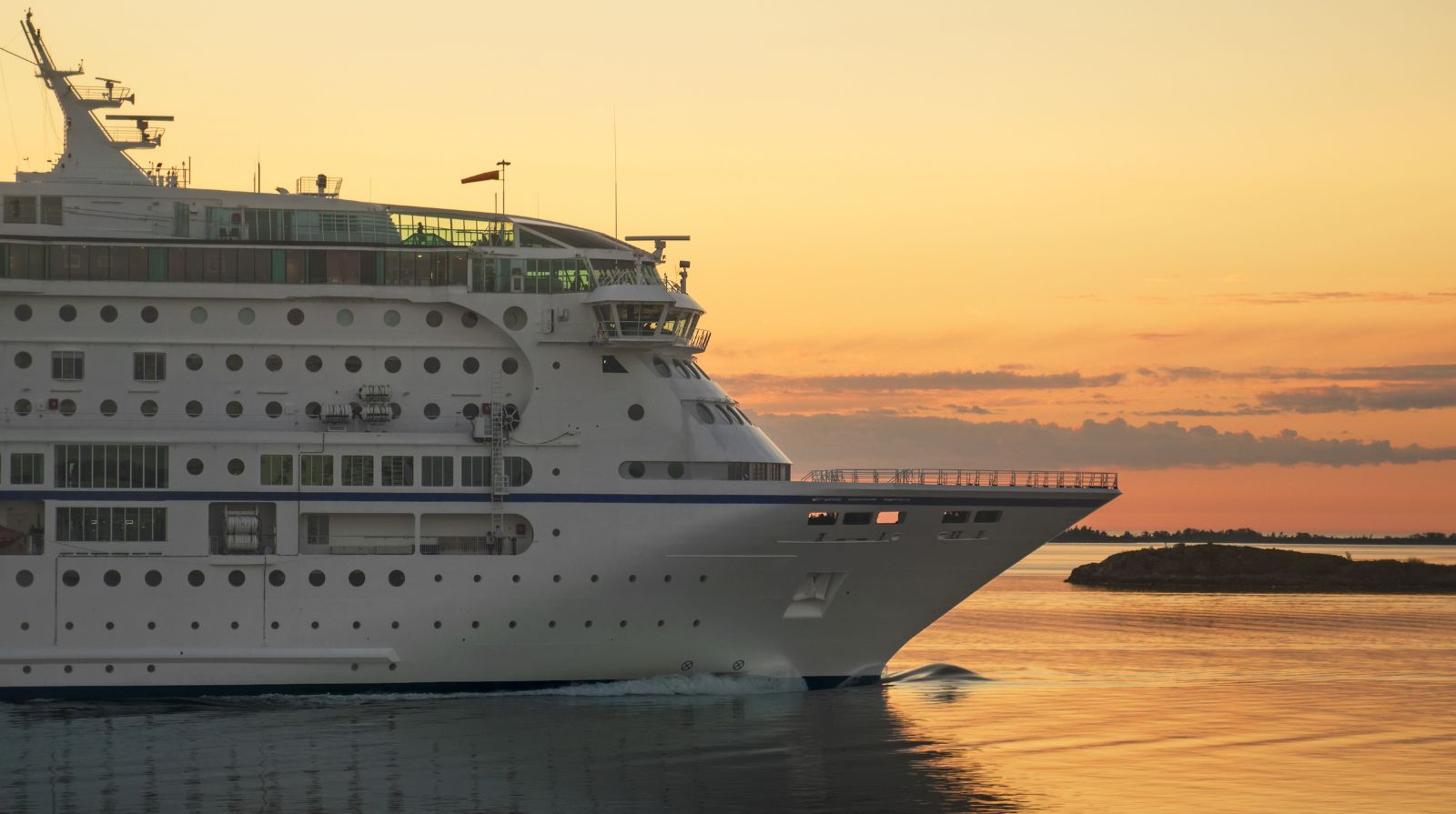
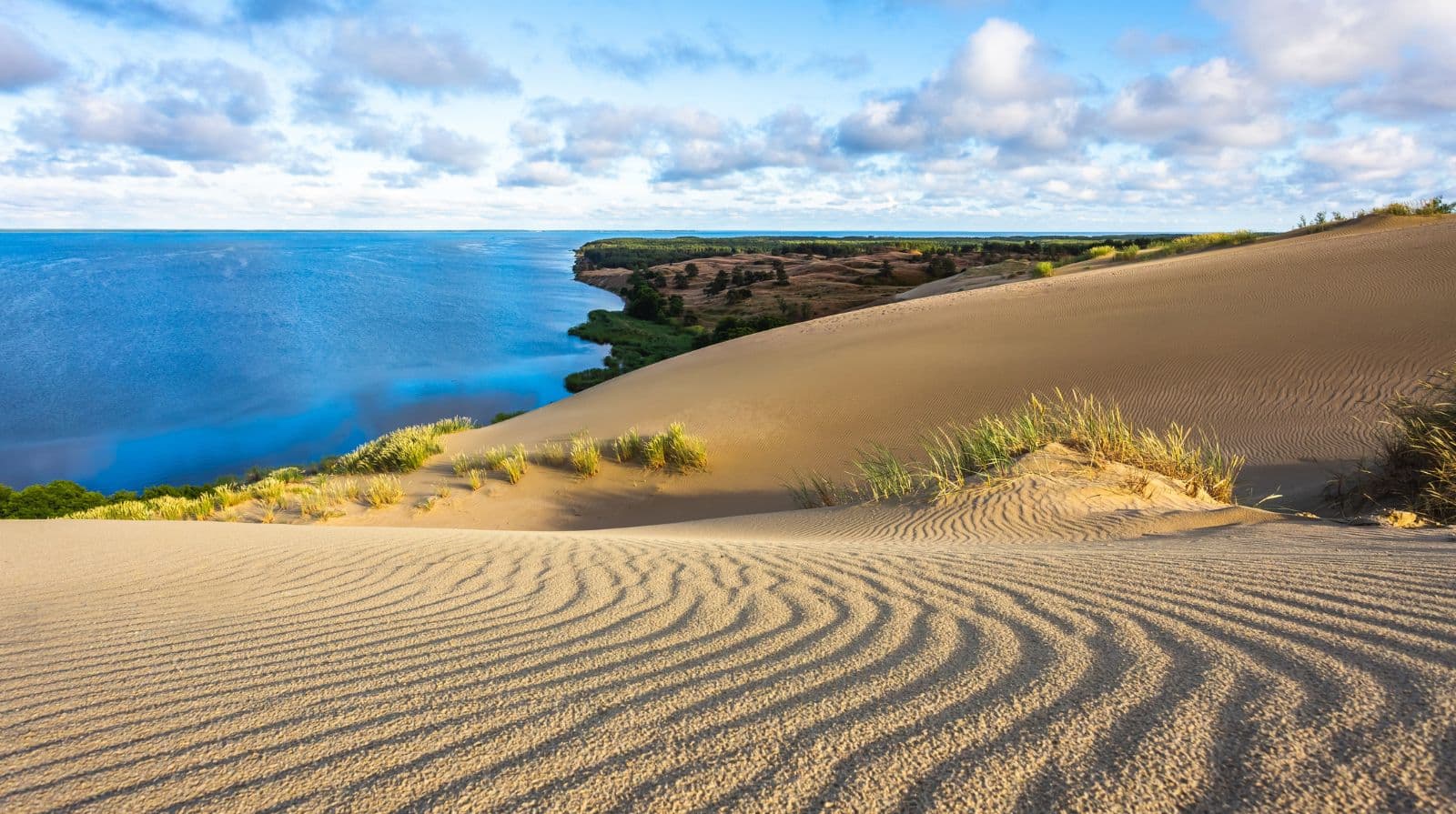
On the other side lie the sand dunes and fishing villages of the UNESCO-listed Curonian Spit, the folklore of the Hill of Witches and the amber the coast is named for. Ashore, the itinerary can include a guided night canoe tour of Klaipėda in handmade wooden boats, passing Jono Kalnelis, the old fortifications and the old town fountain, and an amber hunt on the western coast, where a scoop net and a little patience after a storm can turn up the Baltic gold.
Because it sails from Karlshamn with rail links from Stockholm, Copenhagen and Malmö, it slots neatly onto a Swedish itinerary as a second country and a genuinely different arrival.

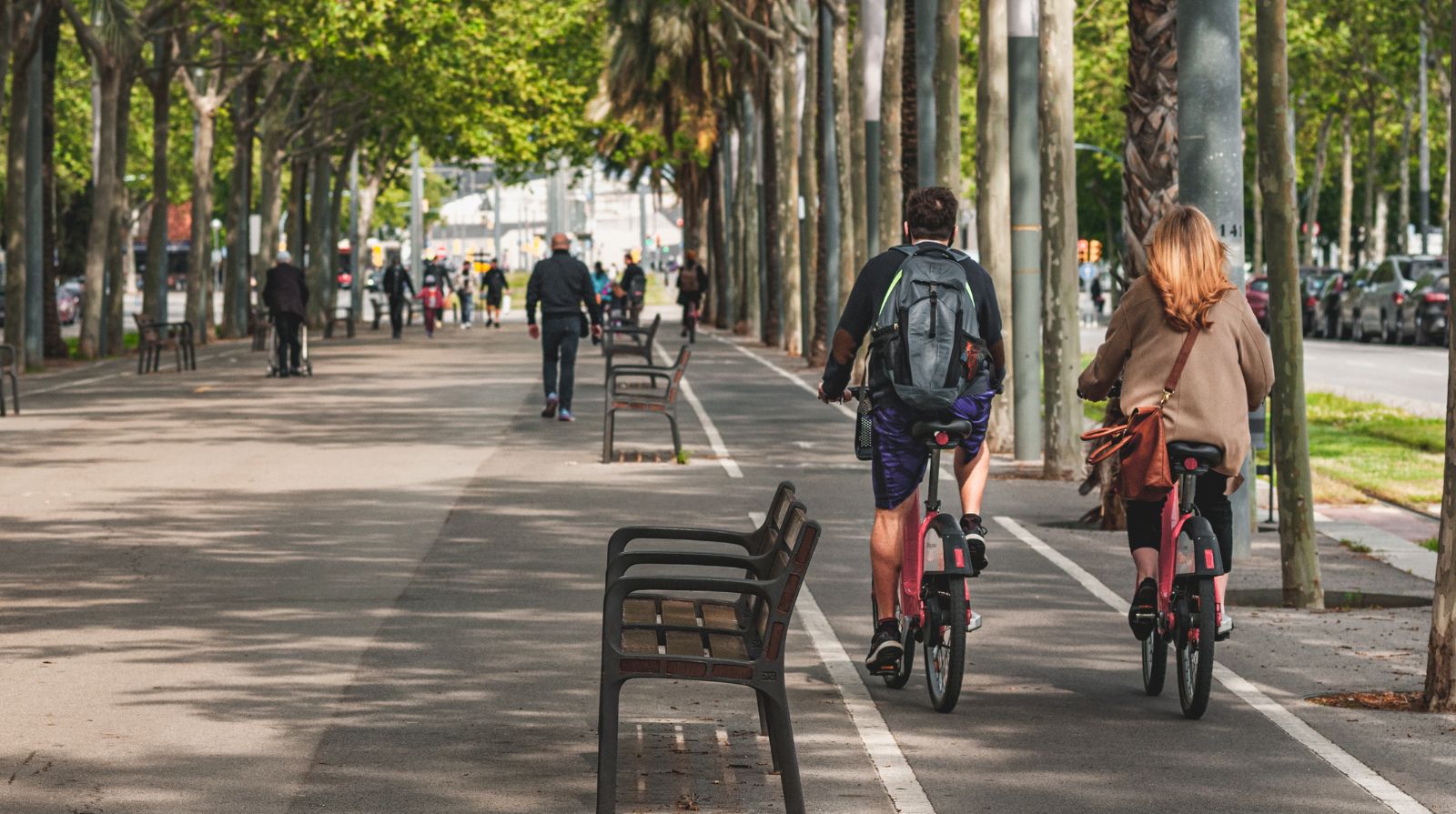
Catalonia Adventure
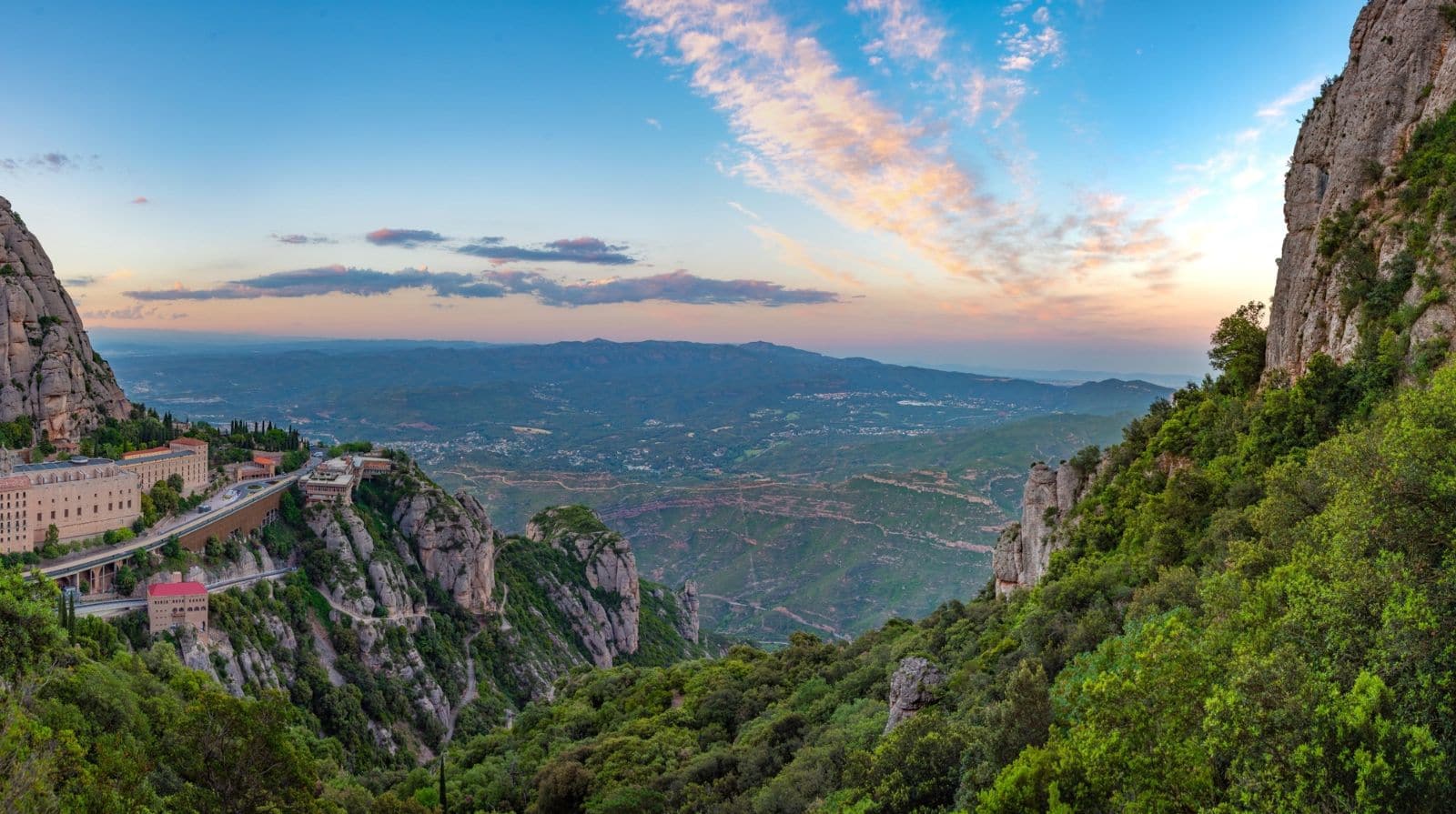
The first option is Montserrat, reached by a regional train followed by either the Cremallera rack railway or the cable car, climbing through dramatic mountain scenery to the monastery and basilica, home of the Black Madonna, with funiculars on to walking trails and viewpoints across Catalonia.
The second is Tarragona: a regional line runs straight to this Roman city, tracing centuries of history in its ruins and streets. Both show the slow-journey idea working inside a destination, not only between them.
Where the Slow Journey Doesn’t Fit
But of course, this approach is not always the perfect solution. Travel Differently is not a universal answer, and presenting it as one could cost you credibility with clients.
It struggles against a tight time budget. A client with four days and a long list of cities is usually better served by flying, and no amount of scenic rail will change that arithmetic. Very long point-to-point distances are the same story: where a fast train would take most of a day, the journey stops being a pleasure and becomes an endurance. Some clients simply want the checklist, as many sights as possible in as little time as possible, and they are not the audience for this product. And mobility and accessibility need real thought on certain rail and ferry legs, which is a conversation to have early rather than an assumption to make.
Read the client first. Where the journey is the point, this collection is a strong sell. Where speed is important, it is not, and knowing the difference is what makes you the partner they trust.
Building Travel Differently into Your Programme
These journeys are a starting point, not the limit. The wider collection spans Central, Eastern, Northern, Western and Mediterranean Europe, and every route can be tailored and contracted around your clients and your market. What holds them together is a single idea worth selling: that the journey can be the holiday, not the price of reaching it.
That concept works with people who know which connections actually run, which experiences justify the detour and how to make a multimodal itinerary feel effortless. With 2,000+ dedicated professionals in 40+ offices worldwide, Kuoni Tumlare combines global coverage with local knowledge. That is the part we take off your hands, through our destination management expertise. We help travel professionals create journeys, not just itineraries, and we tailor each one around the market it is sold in.Whether you are refreshing a mature destination, answering a client’s request for a lower-impact option or looking for a product your competitors don’t have, the next step is a conversation. Talk to our team about building Travel Differently into your programme.


Related Insights
Keep exploring. More news and perspectives await.